
Ori and the Will of the Wisps vs Ori and the Blind Forest
Compare both Ori games on combat, platforming, difficulty, exploration, and story, with clear distinctions between mechanics and player opinions.
Jump to
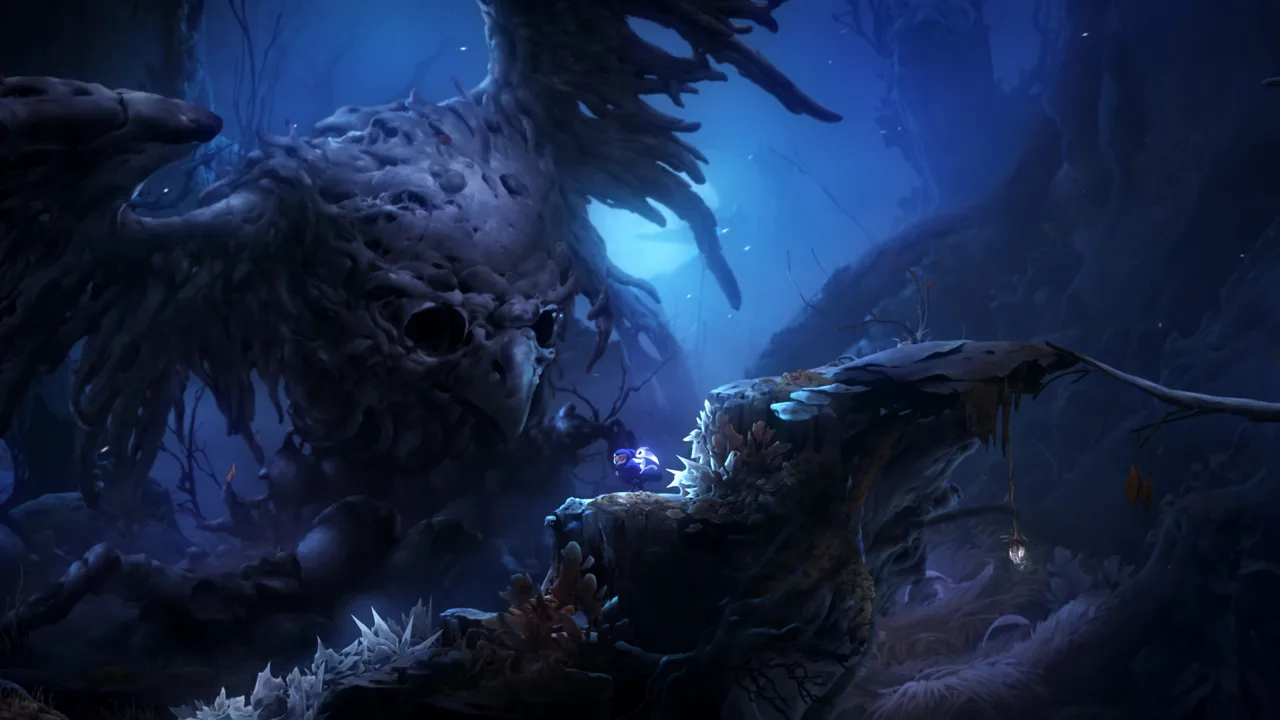
What Actually Changes Between the Two Ori Games?
Ori and the Will of the Wisps vs Ori and the Blind Forest is a comparison between a focused platforming adventure and a sequel that adds more combat and customization. That distinction matters because additional systems can offer satisfying choices while also interrupting the movement and storytelling you came for. The useful question in Ori and the Will of the Wisps vs Ori and the Blind Forest is how those changes affect the experience.
The supplied player accounts describe Will of the Wisps as larger and more mechanically varied, with melee weapons, selectable abilities, conventional boss encounters, and additional activities. Blind Forest earns praise for its simpler structure, emotional storytelling, and demanding escape sequences.
Those impressions do not establish a unanimous winner. In the Steam community discussion comparing both Ori games, some contributors prefer the sequel’s expanded gameplay; others find the original more cohesive.
| Aspect | Blind Forest | Will of the Wisps |
|---|---|---|
| Combat | Player experience describes a simpler system without the sequel’s melee combat | Player experience describes more weapons, melee attacks, and customization |
| Platforming | Community reports emphasize hazardous routes and demanding escapes | Community reports praise movement variety but disagree about precision |
| Exploration | Some contributors prefer its clearer structure | Contributors describe a larger map and more optional activities |
| Story | Several contributors favor its narrative flow | Contributors question its pacing and narrative flow |
| Presentation | Community reports describe its artwork as enduring | Community reports emphasize richer scenery and more varied areas |
The evidence needs context. The player video primarily compares Will of the Wisps with Hollow Knight, so its observations help explain the sequel without proving its superiority over Blind Forest. The forum contains direct comparisons, including comments from 2022, but these remain individual experiences rather than technical measurements.
The central tradeoff is clear: the sequel supplies more systems to engage with, while the original’s restraint remains part of its appeal.
Platforming and Difficulty: Precision, Punishment, and Flow
Movement sits at the heart of Ori and the Will of the Wisps vs Ori and the Blind Forest. Both games receive strong platforming praise in the supplied material, but contributors disagree about which feels better under pressure.
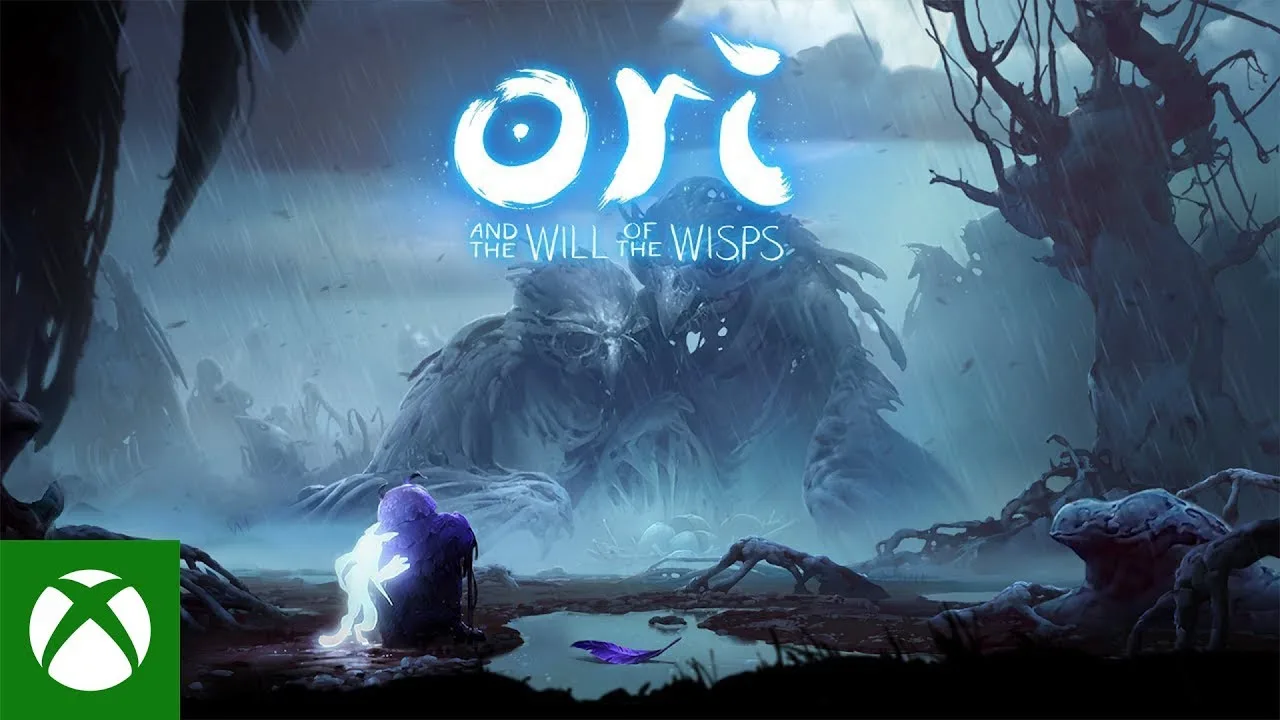 Image: YouTube / XBOX
Player experience in the forum describes Blind Forest as more punishing around environmental hazards. One contributor emphasizes instant deaths and tougher escapes; another reports dying more often in the original. These accounts support a distinction between the games’ challenges, without establishing a universal difficulty ranking.
For Will of the Wisps, community reports describe greater tolerance for damage on Normal difficulty. That can make an imperfect traversal attempt more recoverable. However, added combat introduces another kind of pressure, so more forgiving hazards do not automatically mean an easier adventure.
| Difficulty factor | What the supplied player accounts describe | Practical implication |
|---|---|---|
| Environmental hazards | Blind Forest has more instant-death situations | A good approach is to study the route before attempting a demanding passage |
| Damage tolerance | Will of the Wisps allows more mistakes on Normal, according to one contributor | A good approach is to distinguish a recoverable hit from a failed route |
| Escape sequences | Several contributors find Blind Forest’s escapes more challenging | Treat escape difficulty separately from combat difficulty |
| Movement controls | Opinions differ about jumping, grapple, and burrow | Consider whether consistency or movement variety matters more to you |
The disagreement over controls is especially useful. Community reports describe Blind Forest as floatier in some accounts and tighter in others. In the sequel, contributors identify grapple and burrow as sources of occasional frustration.
That does not justify declaring either control system objectively superior. It shows that movement feel depends partly on what a player values: predictable execution, aerial control, or a broader set of traversal actions.
The player video discussing Will of the Wisps’ platforming and combat praises how new abilities become central to navigating individual areas. Its account presents movement upgrades as tools that reshape the surrounding platforming challenges.
A good approach is to judge difficulty through your own strengths. If repeated precision attempts frustrate you, the original’s reported hazard punishment deserves attention. If managing combat and traversal together feels demanding, the sequel’s expanded toolkit may introduce challenges of its own.
Combat and Customization: More Options, More Decisions
Combat produces the clearest mechanical distinction in Ori and the Will of the Wisps vs Ori and the Blind Forest.
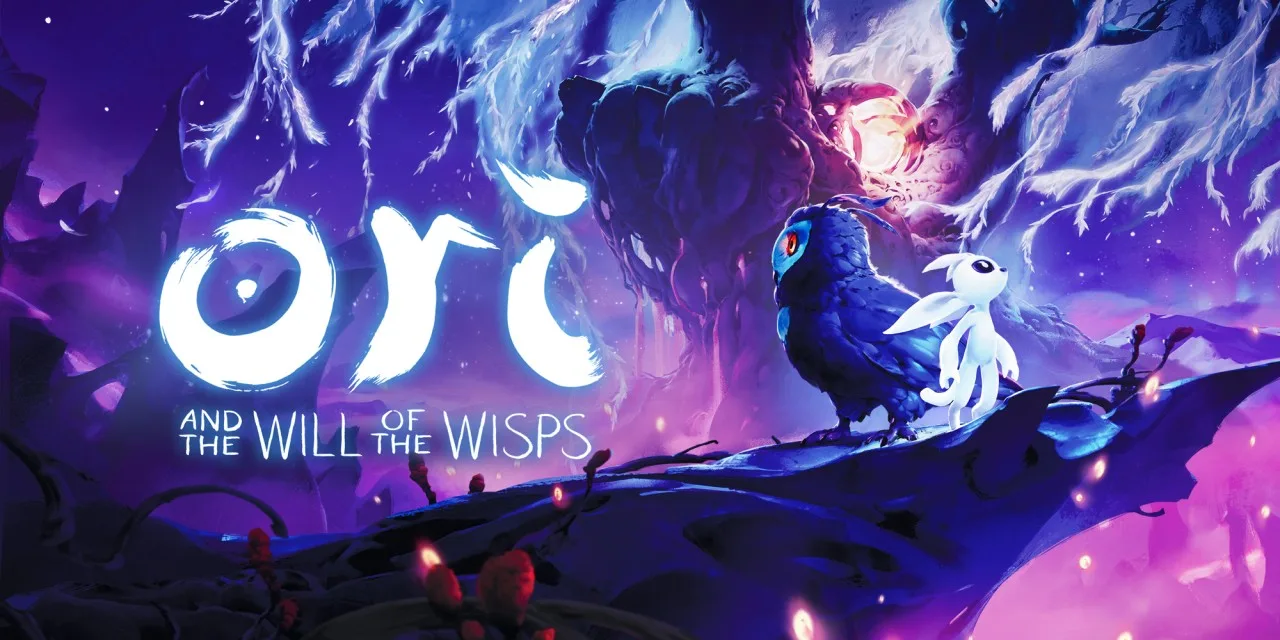 Image: Nintendo
The supplied sources describe Blind Forest as having simpler combat and lacking the sequel’s melee weapon system. Will of the Wisps introduces more direct attacks, multiple weapons, and selectable abilities. Its conventional boss encounters also give combat a more prominent role.
Several forum contributors consider that expansion an improvement. Even some players who prefer Blind Forest overall acknowledge the sequel’s greater combat variety.
Yet variety carries a cost. Community reports describe ability selection as an interruption, particularly when changing equipped skills breaks the flow of traversal. The player video also questions weapon balance and finds some options less useful than others. That criticism comes from the supplied player video’s comparison with Hollow Knight, rather than a measured assessment of every weapon.
| Combat element | Blind Forest | Will of the Wisps |
|---|---|---|
| Mechanical scope | Simpler combat, according to community reports | More varied weapons and abilities |
| Melee attacks | Does not feature the sequel’s melee combat system | Includes melee combat |
| Customization | Less complex in the supplied comparisons | Selectable abilities add decisions |
| Major encounters | Escape sequences provide prominent climactic challenges | Conventional boss fights appear alongside escapes |
| Reported drawback | Some contributors find combat too simple | Others find the added systems overcomplicated |
Boss fights and escapes should remain separate categories. Some forum contributors call the original’s escapes its equivalent of boss battles because they provide dramatic tests. That is an interpretation of their role, rather than evidence that Blind Forest has the same encounter structure as the sequel.
Player experience in the video praises Will of the Wisps’ escapes for combining speed, spectacle, and music. Forum contributors nevertheless often prefer the original’s escape sequences for their challenge and integration with the story.
A good approach in the sequel is to give yourself time to become comfortable with an ability setup before repeatedly changing it. This advice follows directly from the reported selection friction: more available tools are useful only if choosing between them does not overwhelm the action.
Exploration and Story: Scale Versus Cohesion
Exploration makes Ori and the Will of the Wisps vs Ori and the Blind Forest more complicated than a checklist of added features.
 Image: Steam / Moon Studios GmbH
Community reports describe Will of the Wisps as having a larger map, more things to discover, quests, and village progression. For players who enjoy optional activities, those additions provide more reasons to investigate the world.
However, a larger map does not guarantee a more satisfying exploration experience. Some contributors prefer Blind Forest’s clearer layout and ability progression. Others find the sequel more rewarding precisely because it offers additional space and activities.
| Topic | Community reports favoring Blind Forest | Community reports favoring Will of the Wisps |
|---|---|---|
| Map structure | Clearer, more cohesive routes | More space and varied areas to investigate |
| Ability progression | Easier to understand where the next tool fits | A broader range of movement abilities |
| Optional activities | Fewer systems competing for attention | Quests and village development |
| Narrative flow | Simpler structure supports the emotional story | Village progression adds a sense of reward, although narrative flow draws criticism |
| Overall pacing | Stronger continuity between movement and storytelling | More opportunities to pause and pursue another activity |
One detailed forum account describes uncertainty after entering an area without the ability needed to navigate it. The player could not easily tell whether a solution had been overlooked or whether returning later was necessary.
A good approach is to treat an unfamiliar obstacle as a possible reason to revisit an area, rather than immediately assuming you are executing a move incorrectly. That advice follows from the reported interaction between exploration and ability requirements; it does not imply that every blocked path works identically.
Story preferences lean toward Blind Forest among the supplied forum comments. Contributors repeatedly praise its cohesion and criticize the sequel’s interruptions or narrative execution. These observations should be labeled as player experience, rather than presented as an objective verdict on writing quality.
The later forum comments also revisit these tradeoffs. A contributor favors the original’s music and story, while a detailed account praises its soundtrack and escape sequences alongside the sequel’s expanded abilities. They are later opinions, not evidence of a patch changing the comparison.
The video offers a more favorable assessment of Will of the Wisps’ emotional storytelling. Although its narrative is described as straightforward, the reviewer values how it encourages attachment to the characters. Simplicity itself is not the problem; the disagreement concerns how well the story and surrounding systems work together.
Visuals, Music, and the Overall Experience
Presentation remains a major attraction in Ori and the Will of the Wisps vs Ori and the Blind Forest, but the sources do not support treating the sequel as a complete replacement for the original.
Community reports describe Will of the Wisps as visually richer, with more diverse environments. The same discussion also praises Blind Forest’s artwork as timeless. Greater environmental variety and enduring artistic appeal can both matter without producing a definitive winner.
Music is similarly divisive. The video reviewer praises the music accompanying the sequel’s escape sequences. Some forum contributors also prefer its music.
Other contributors favor Blind Forest. A detailed player account praises the original soundtrack’s variety, memorable pieces, and relationship to individual areas. These are contrasting listening experiences, not evidence that one score is technically better.
Performance deserves a narrower reading. The video mentions personal performance trouble with Blind Forest and frame-rate issues in the Switch version of Will of the Wisps. It provides no standardized comparison between the two Ori games, and those anecdotes should not be treated as current performance measurements.
The gameplay differences offer a firmer basis for choosing:
- Community reports favoring the original emphasize narrative flow, simpler systems, and challenging escapes.
- Community reports favoring the sequel emphasize combat variety, additional abilities, and optional activities.
- Contributors who like both often see the changes as tradeoffs rather than improvements in every category.
For Ori and the Will of the Wisps vs Ori and the Blind Forest, the evidence supports a conditional judgment: players seeking the expanded combat described in these accounts have a clear reason to consider the sequel; players drawn to the original’s reported cohesion have a reason to value its simpler design.
If the sequel’s additional systems appeal to you, the Ori and the Will of the Wisps Steam store page provides a direct place to review its product listing.
FAQ
Is Will of the Wisps better than Blind Forest in every way?
The supplied player accounts do not support that conclusion. Several contributors prefer the sequel’s combat and abilities while favoring Blind Forest’s story, pacing, or escapes. Others prefer the original overall.
Which game is harder in Ori and the Will of the Wisps vs Ori and the Blind Forest?
Player experience often describes Blind Forest as more punishing around hazards and escapes. The sequel adds combat demands. Contributors disagree on the overall ranking, so your relative comfort with platforming and combat matters.
Does Will of the Wisps still focus on platforming?
Yes. The player video strongly praises its platforming and describes areas built around movement abilities. Expanded combat changes the balance of activities, but traversal remains central in that account.
Is Will of the Wisps longer than Blind Forest?
Community reports describe the sequel as larger and potentially longer, depending on playing style. The supplied material does not establish a reliable average completion time for either game, so a precise hours-based comparison would be misleading.
Continue with
 Ori and the Will of the Wisps ending explained: Final ScenesUnderstand Ori’s transformation, Ku’s recovery, Shriek’s final scene, the narrator reveal, and what the last glowing leaf means in the ending.
More in Reviews
Ori and the Will of the Wisps review: Combat and Exploration
An Ori and the Will of the Wisps review covering combat, exploration, platforming, Spirit Shards, checkpoints, and reported Switch performance issues.
Ori and the Will of the Wisps vs Hollow Knight: Play Styles
Compare Ori and the Will of the Wisps and Hollow Knight through player experiences with movement, combat, bosses, story, music, and content.
Join the community
Official channels for news, updates and player help: