
Ori and the Will of the Wisps difficulty: Easy, Normal, Hard
Compare Ori difficulty through documented player experiences, with practical combat tips and a clear look at Normal, Hard, and challenge modifiers.
Jump to
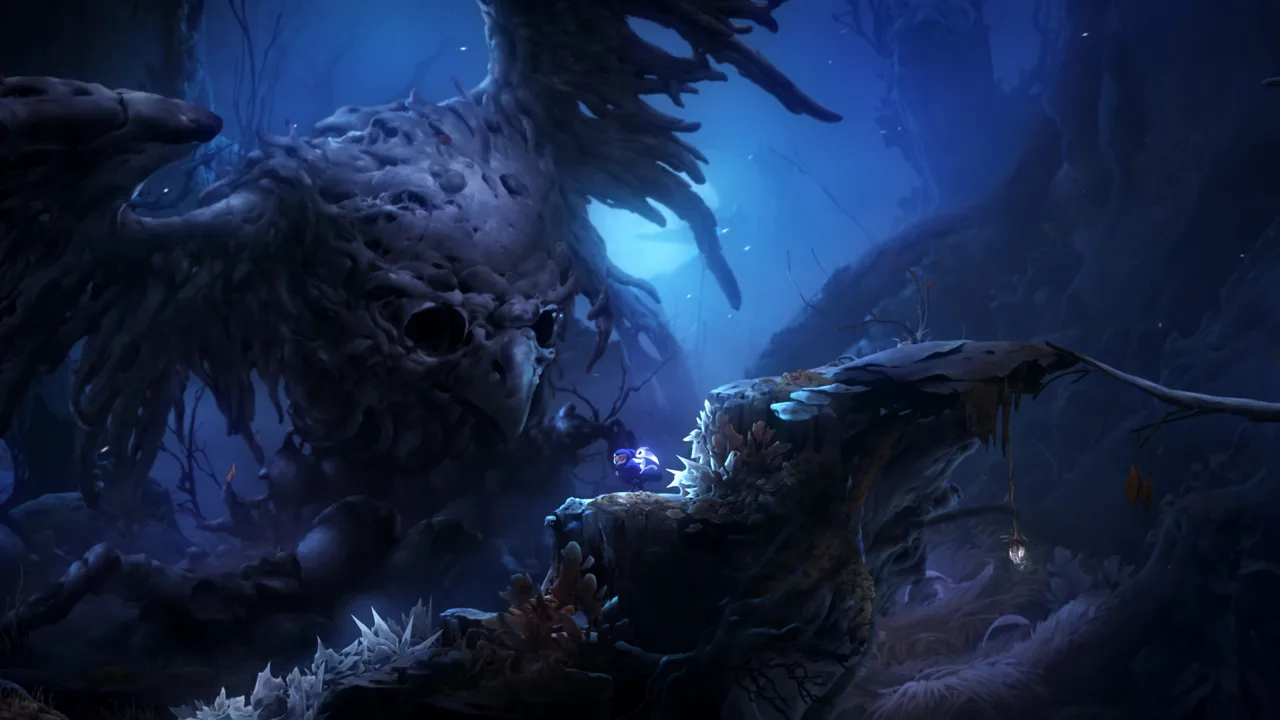
Understanding Ori and the Will of the Wisps difficulty
A tougher fight can make a victory satisfying—or interrupt the exploration you came to enjoy. Ori and the Will of the Wisps difficulty matters because the same encounter can feel forgiving to some players and demanding to others. This guide to Ori and the Will of the Wisps difficulty uses documented player experience to explain those differences and help you choose how much combat pressure you want.
The available evidence comes from a launch-era Steam community discussion about Ori’s difficulty settings. Its participants disagree sharply: one considers Normal too forgiving, another finds it challenging despite extensive gaming experience, and another prefers Easy.
Those are individual experiences, not a difficulty ranking that applies to everyone. They are also not an official specification of the game’s current balance. The useful takeaway is narrower: combat tolerance, interest in exploration, and willingness to repeat encounters all affect whether a setting feels enjoyable.
For the game’s official storefront, visit the Ori and the Will of the Wisps Steam store page.
| Setting discussed | Documented player experience | What that experience helps you assess |
|---|---|---|
| Easy | One participant recommends it after describing fights on Normal as frustrating. | Whether combat frustration is already interfering with enjoyment. |
| Normal | One participant finds it forgiving; another experienced player finds it sufficiently challenging. | Whether your own encounters demand attention without becoming exhausting. |
| Hard | One participant says it made attack spacing and enemy patterns matter more. | Whether you want mistakes in combat to carry more weight. |
Treat these accounts as useful contrasts. Someone who enjoys studying attacks may welcome the same pressure that distracts another person from traversal and exploration.
What community reports say changes on Hard
The clearest mechanical claims in the discussion concern incoming damage and upgrade costs. Community reports describe enemies dealing more damage and upgrades being more expensive on Hard. The thread does not provide a verified damage multiplier or a complete price comparison, so precise figures would overstate the evidence.
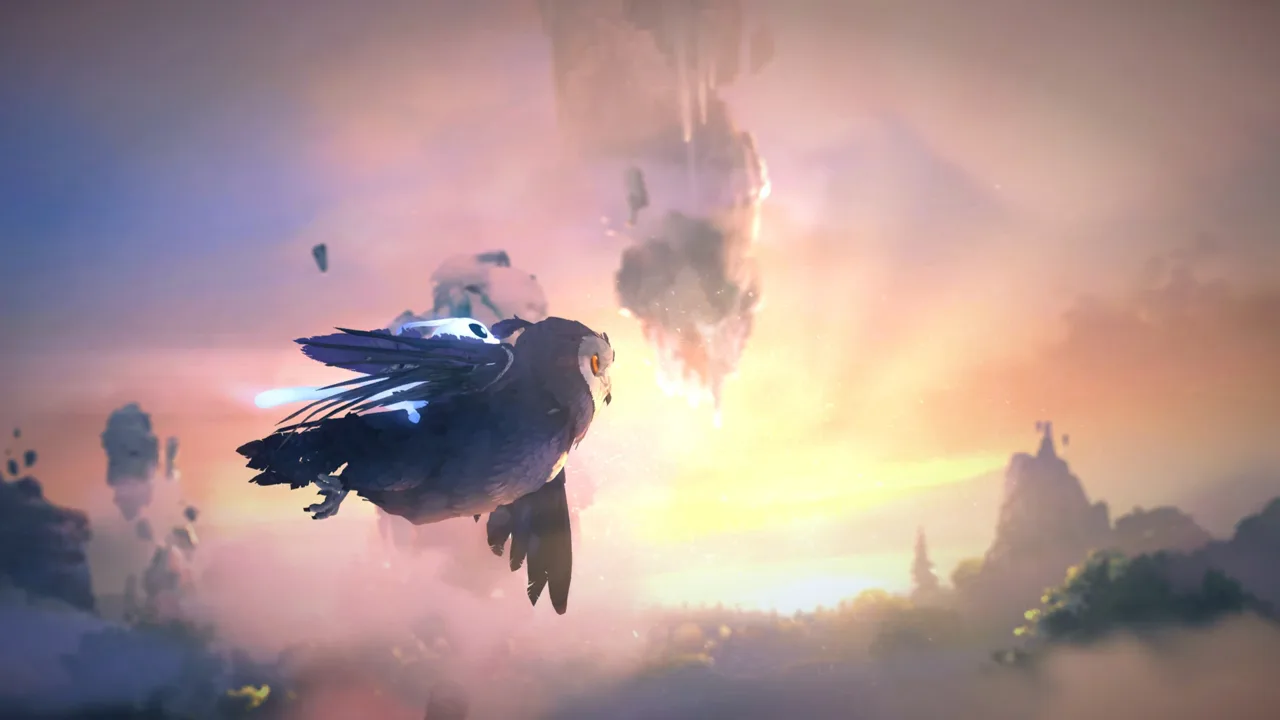 Image: Steam / Moon Studios GmbH
A separate player experience illustrates the practical effect. The thread’s author describes getting through an early miniboss on Normal by attacking aggressively with occasional evasive movement. On Hard, that approach stopped working for them, and they began looking for openings and paying closer attention to attack patterns.
That account supports a useful distinction: increased punishment can change your approach even without establishing that enemy behavior itself changes.
| Community-reported difference | Possible effect on your decisions | Tip grounded in that report |
|---|---|---|
| Enemies deal more damage on Hard. | Taking a hit can make aggressive exchanges less comfortable. | A good approach is to favor a clear opening over an uncertain extra attack. |
| Upgrades cost more on Hard. | Purchases can require more deliberate prioritization. | Consider which available upgrade addresses the problem you are actually encountering. |
| A player found attack spacing more important. | Staying close and repeatedly attacking may be less reliable. | Watch when an enemy finishes attacking before committing. |
| A player needed to study a miniboss more carefully. | Repeating an attempt can become an opportunity to learn. | Identify the attack that caught you and adjust your response to that specific pattern. |
More punishment does not establish more enemies
One commenter makes a broad statement that higher difficulties generally involve more or stronger enemies. That comment does not establish a specific enemy-count change in Ori.
It would therefore be misleading to promise extra enemies, redesigned encounters, or new attack patterns. The more concrete community reports concern damage, costs, and how those pressures felt during combat.
When evaluating Ori and the Will of the Wisps difficulty, keep those categories separate. A setting can demand more careful play because mistakes hurt more, even if the available evidence does not show a different encounter layout.
Hard is not a guarantee of lasting challenge
Another participant reports finding even Hard relatively easy and using additional challenge modifiers. That is player experience, not evidence that Hard is universally forgiving.
It does, however, show why “Hard” alone cannot predict satisfaction. Familiarity with combat options and personal expectations can change how demanding the game feels.
Why Normal and Easy deserve consideration
The strongest counterargument to the thread’s push for Hard comes from an experienced player who finds Normal challenging enough. Their stated interest is traversal and exploration, and they do not want combat to become a punishing obstacle.
 Image: Nintendo
That player experience matters because it challenges the assumption that gaming experience automatically calls for a higher setting. Experience can help with execution, but it does not dictate what someone wants from a game.
Other participants also report enjoying Normal. One describes an intention to play Normal before attempting Hard. These comments establish that different approaches exist; they do not establish how common any preference is.
Judge the encounter, not the label
A useful approach is to ask what a fight currently requires from you. If you are watching attack patterns, choosing openings, and still making mistakes, the encounter is already asking for attention.
If you can repeatedly rush into enemies without needing to respond to them, your experience may resemble the thread author’s account of Normal. Their reason for preferring Hard was that it made those decisions matter.
This is the central question behind Ori and the Will of the Wisps difficulty: do you want more pressure on combat decisions, or are the existing demands already serving your experience?
Easy is supported by an individual recommendation
The discussion includes a participant who considers boss fights and some ordinary encounters frustrating on Normal and recommends Easy. That is a direct player recommendation, but it does not document Easy’s exact mechanical adjustments.
Accordingly, there is no basis here for claiming specific changes to enemy health, damage, platforming, or escape sequences.
What the comment does support is considering Easy when combat frustration dominates your enjoyment. You do not need to reproduce another player’s experience—or choose their setting—to appreciate the game.
Combat habits and optional challenge modifiers
Several comments discuss combat choices alongside the difficulty setting. A player describes using Bash against projectiles or to direct enemies into hazards. Others mention Reckless, Overcharged, and Bounty as ways to alter the challenge.
 Image: Steam / Moon Studios GmbH
These are community reports. The discussion offers no complete upgrade chart or current balance reference, so the practical guidance below stays within what participants actually describe.
Use encounters to identify a specific problem
The thread author’s Hard-mode experience centers on spacing and attack patterns. A good approach is to make each repeated attempt answer a small question: did you attack too early, stay close too long, or ignore an incoming attack?
“Try harder” gives you little to work with. “Wait until that attack finishes” turns the same encounter into something you can evaluate.
Similarly, because a player reports using Bash to redirect projectiles or enemies toward hazards, a useful combat tip is to look for those opportunities when they are present. That does not establish that Bash solves every encounter or that other attacks are unnecessary.
Separate modifier reports from verified balance data
One participant proposes combining optional modifiers to make combat less forgiving. Another reports using Reckless and Bounty on Hard. Their comments show that the selected difficulty is not the only factor shaping their experience.
| Option mentioned | What community reports describe | Practical implication |
|---|---|---|
| Reckless | A participant includes it in a setup intended to increase risk while increasing offensive output. | Consider whether accepting more danger fits the combat experience you want. |
| Overcharged | The same participant associates it with increased damage output and energy usage. | Pay attention to the energy tradeoff described in that setup. |
| Bounty | A participant reports increased enemy health alongside increased Spirit rewards. | Expect the reported challenge-and-reward tradeoff to affect how fights feel. |
| Bash | A participant describes returning projectiles and directing enemies into hazards. | Look for environmental or projectile opportunities during suitable encounters. |
The thread includes numerical claims about modifier effects, but they are informal player descriptions rather than an official balance table. They are not a sound basis for calculating an exact build.
For Ori and the Will of the Wisps difficulty, the actionable point is the tradeoff itself: a modifier intended to make combat riskier can affect whether your chosen setting feels manageable.
A practical way to assess your difficulty preference
You can use the discussion’s contrasting experiences without adopting anyone’s judgment about what counts as a “real” challenge. Focus on the source of your dissatisfaction and connect it to an adjustment supported by the reported mechanics.
| What you notice | Relevant source evidence | A practical response |
|---|---|---|
| You attack repeatedly without needing to watch enemies. | The thread author describes this experience on Normal. | Consider whether the greater punishment reported on Hard matches the challenge you want. |
| You lose track of attack openings. | The author says Hard required more attention to spacing and patterns. | Practice waiting for a recognizable opening before attacking. |
| Combat is crowding out your interest in exploration. | An experienced participant prefers Normal for this reason. | Give your exploration preference weight when choosing a setting. |
| A modifier setup feels unusually demanding. | Participants describe optional modifiers that increase combat pressure. | Review the reported tradeoffs of the options you are using. |
| Upgrade spending feels restrictive. | Community reports describe higher upgrade costs on Hard. | Prioritize purchases around the obstacle you need help addressing. |
Distinguish a learning problem from a preference
If an enemy keeps catching you during the same attack, the spacing advice in the thread offers something concrete to practice. If you understand the pattern but dislike the repeated combat pressure, that is a different concern.
The distinction matters because more practice and a different difficulty preference answer different needs. One addresses execution; the other addresses what you want your time with the game to feel like.
Keep exploration in the decision
The participant who favors Normal explicitly values traversal and exploration. That provides a useful reminder to assess the whole experience, rather than treating combat intensity as the sole measure of enjoyment.
Ori and the Will of the Wisps difficulty is a choice about the pressure you want around those activities. The available player experiences support several reasonable preferences, with no evidence that one produces a universally superior playthrough.
FAQ
Which Ori and the Will of the Wisps difficulty should I choose?
Use the documented experiences as reference points. Normal challenged one experienced participant, while another preferred Hard because combat required more attention. A separate participant recommended Easy after finding Normal frustrating. Consider which account resembles your preferences.
Is Normal too easy for experienced players?
Not necessarily. The supplied community discussion includes experienced players with opposing reactions. One finds Normal forgiving, while another finds it challenging enough and prefers to focus on exploration.
What does Hard difficulty change?
Community reports describe increased enemy damage and more expensive upgrades. A player also reports needing better attack spacing and closer attention to enemy patterns. The supplied material does not establish exact multipliers or additional enemy spawns.
Can optional modifiers make combat harder?
According to community reports, yes. Participants discuss Reckless, Overcharged, and Bounty in challenge-oriented setups. Their comments describe risk, energy, enemy-health, and reward tradeoffs, but do not provide a verified current balance reference.
Continue with
 Ori and the Will of the Wisps how long to beat: Time GuidePlan your Ori adventure with 12-hour story, 15½-hour side-content, and 18½-hour completion estimates as planning benchmarks, plus platform comparisons.
More in Guide

Ori and the Will of the Wisps beginner guide: Upgrade Tips
Explore confidently with useful tips on maps, Spirit Light, shards, combat, and backtracking in this Ori and the Will of the Wisps beginner guide.

Ori and the Will of the Wisps how to save: Saves and Backups
Learn how autosaves and manual saves at Spirit Wells work, reload backup saves, and preserve a separate save slot before experimenting with upgrades.
Ori and the Will of the Wisps walkthrough: Opening Route
Explore Ori’s opening route through Inkwater Marsh, complete the keystone request, use the torch, and learn about Spirit Edge in this walkthrough.
Join the community
Official channels for news, updates and player help: