
Ori and the Will of the Wisps ending explained: Final Scenes
Understand Ori’s transformation, Ku’s recovery, Shriek’s final scene, the narrator reveal, and what the last glowing leaf means in the ending.
Jump to
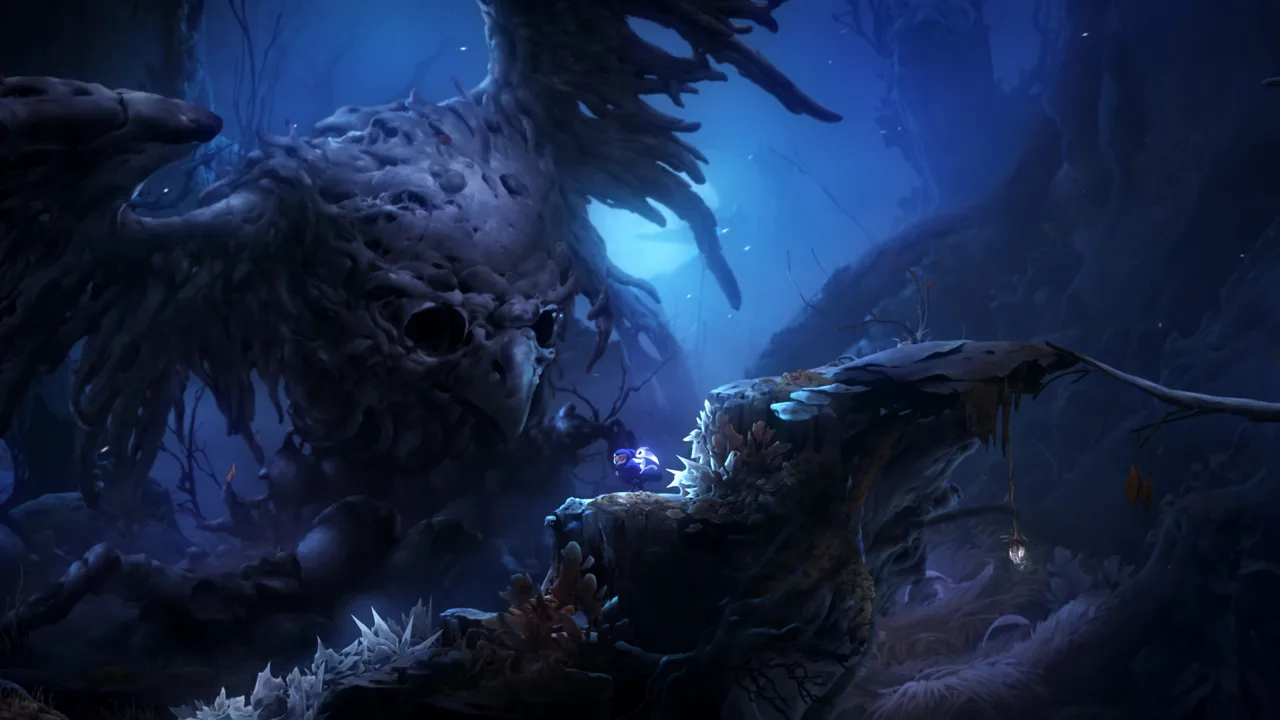
What Actually Happens at the End?
Ori saves the forest, but the rescue costs the life we have spent the game sharing. The key to Ori and the Will of the Wisps ending explained is understanding that Ori’s sacrifice is a transformation, which makes the finale both hopeful and heartbreaking. With Ori and the Will of the Wisps ending explained through that distinction, Ku’s recovery, the narrator’s identity, and the final leaf fit into one connected story.
Spoilers follow for both Ori games, including the final battle and ending cinematic.
The conclusion brings together two goals: restoring the forest’s light and saving Ku. They become inseparable because the forest’s renewal requires Ori to accept a new existence.
After reaching the Spirit Willow, Ori learns that restoring the light demands more than completing the journey. Ori must become one with that light. The confrontation with Shriek interrupts the conclusion, but defeating her does not itself heal the forest. Ori still has a choice to make afterward.
| Ending event | What happens | Why it matters |
|---|---|---|
| Ori reaches the Spirit Willow | The cost of restoring the light becomes clear | The quest becomes a personal sacrifice |
| The final confrontation ends | Shriek retreats after her defeat | Winning the battle does not complete the restoration |
| Ori embraces the light | Ori becomes the new Spirit Tree | Renewal requires a change in Ori’s existence |
| Ku recovers | Ku rejoins Naru and Gumo | Ori’s sacrifice saves a member of the family |
| A glowing leaf falls | The ending echoes Ori’s own beginning | The story closes with the possibility of new life |
A useful approach when watching the finale is to separate the battle’s outcome from the story’s resolution. Shriek is the final opponent, but the deeper conflict concerns what Ori must give up to preserve life.
That distinction anchors Ori and the Will of the Wisps ending explained: victory creates the opportunity for restoration, while Ori’s transformation makes restoration possible.
Does Ori Die, and Who Is the Narrator?
Ori gives up the familiar spirit form and becomes the new Spirit Tree. Calling this simply “death” misses the continuity the ending deliberately reveals.
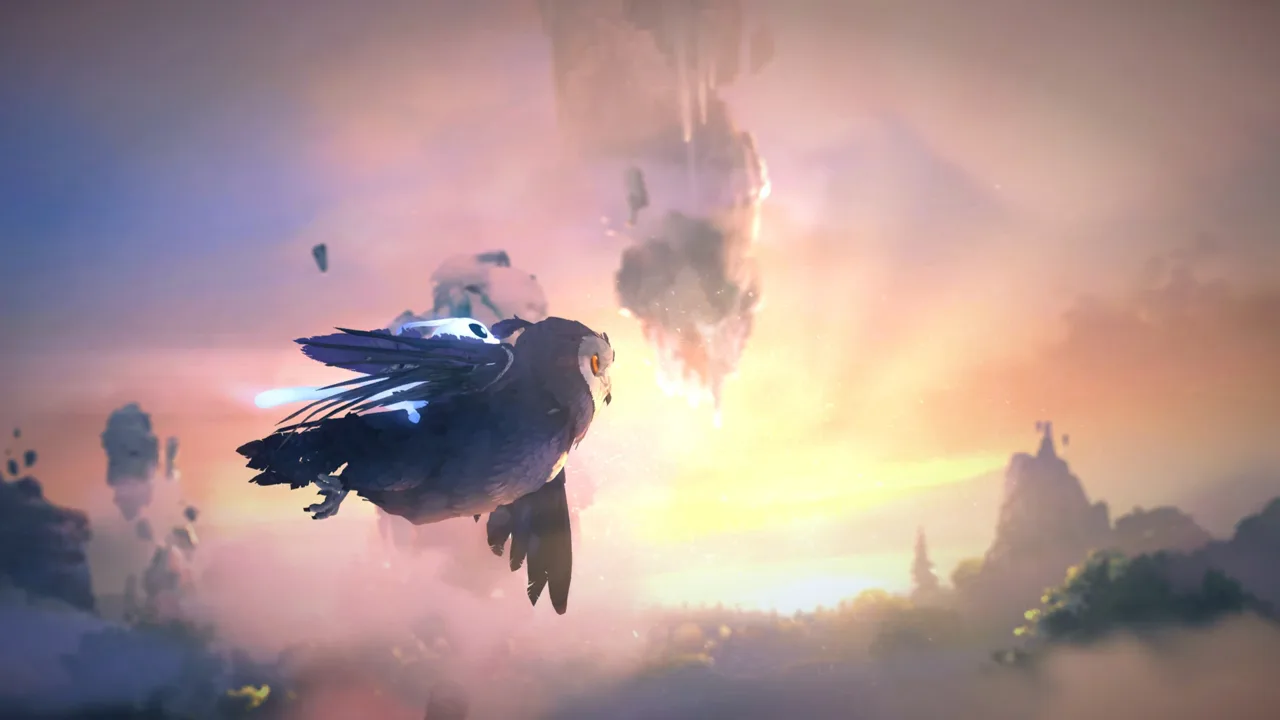 Image: Steam / Moon Studios GmbH
The small, mobile character we controlled no longer continues that life. Ori cannot return to the same adventures or family routine. Yet Ori’s identity persists within the tree, and the narration confirms that the transformed being remembers the journey.
The ending therefore supports two ideas at once:
- Ori’s previous life ends.
- Ori continues to exist in a different form.
Neither idea cancels the other. Survival does not make the sacrifice painless, and sacrifice does not mean Ori disappears entirely.
The narrator reveal changes how we understand the story
The closing narration reveals that the new Spirit Tree is Ori, recounting events from a later perspective. The voice belongs to the being Ori becomes.
This reframes the adventure as a memory. The narrator knows the destination because the narrator has already lived through it.
Game Rant’s explanation of Ori’s transformation and the ending’s narrator reveal also identifies the new Spirit Tree as Ori telling the story from the future. This is a gaming-media explanation, rather than an official developer statement.
The reveal applies to Will of the Wisps. It should not be stretched into a claim that Ori narrates every event across both games.
| Aspect of Ori’s existence | Before the transformation | After the transformation |
|---|---|---|
| Physical form | A small spirit who travels through the forest | The new Spirit Tree |
| Relationship with the light | Seeking its restoration | United with it |
| Relationship with family | Sharing an active life together | Remaining present as the family ages nearby |
| Perspective on the adventure | Experiencing events | Recounting them afterward |
For Ori and the Will of the Wisps ending explained, this is the central distinction: Ori loses a way of living while retaining an identity.
An interpretive way to describe the change is that Ori moves from receiving care to sustaining life. The character who depended on a found family becomes a presence around which that family continues to live.
That reading follows the ending’s imagery. It does not require assuming Ori can still move, speak to the family directly, or regain the earlier form.
What Happens to Ku, Naru, and Gumo?
Ku survives the ending. Restoring the light heals the owl, allowing Ku to reunite with Naru and Gumo.
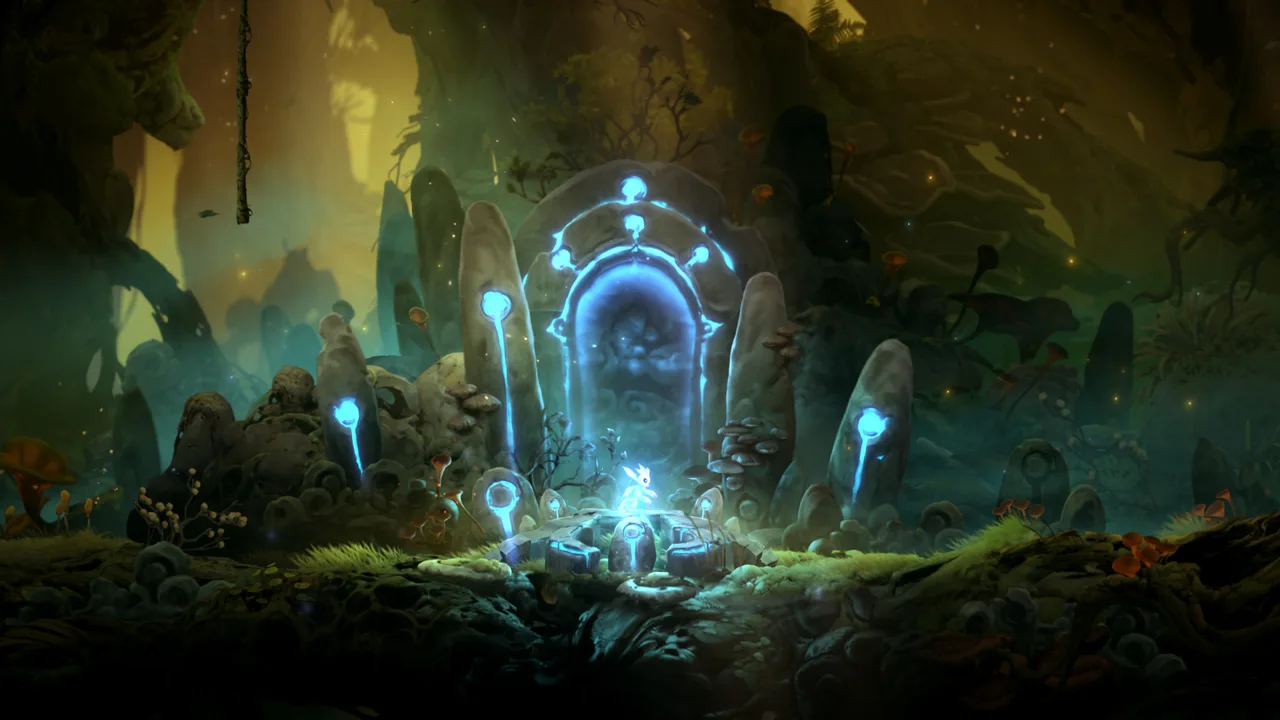 Image: Steam / Moon Studios GmbH
Earlier, Ku’s devastating injuries turn Ori’s journey into an urgent rescue. The ending fulfills that goal, but changes what reunion can mean. Ku returns to the family, while Ori becomes the tree around which the family’s life continues.
The result is emotionally complicated. Ku’s recovery is real, and so is the loss of Ori’s former presence.
Why Ku’s recovery does not erase the sadness
The finale shows time passing as Ori’s tree grows and the family ages around it. That passage of time gives the transformation weight.
Ori’s decision has consequences beyond the immediate rescue. Life continues because of the sacrifice, but it continues differently.
| Character | Confirmed outcome | Emotional significance |
|---|---|---|
| Ori | Becomes the new Spirit Tree | Gives up the previous life to restore the light |
| Ku | Recovers and rejoins the family | The rescue succeeds |
| Naru | Remains part of the family around the tree | Care and attachment continue after Ori’s change |
| Gumo | Reunites with Ku and remains with the family | The surviving family shares the restored future |
The scenes around the tree also prevent the ending from feeling like a complete separation. Ori remains physically present in the family’s world, even though the relationship has changed.
For Ori and the Will of the Wisps ending explained, the family scenes are essential evidence. They show both what Ori saves and what Ori can no longer participate in as before.
A good approach is to watch the recovery and the passage of time together. Focusing only on Ku makes the ending seem straightforwardly happy; focusing only on Ori’s lost form overlooks the lives that continue.
The full emotional effect comes from holding both outcomes in view. The family receives a future, and Ori pays for that future with a personal transformation.
What Happens to Shriek After the Final Battle?
Shriek’s ending provides a painful counterpoint to the family’s reunion.
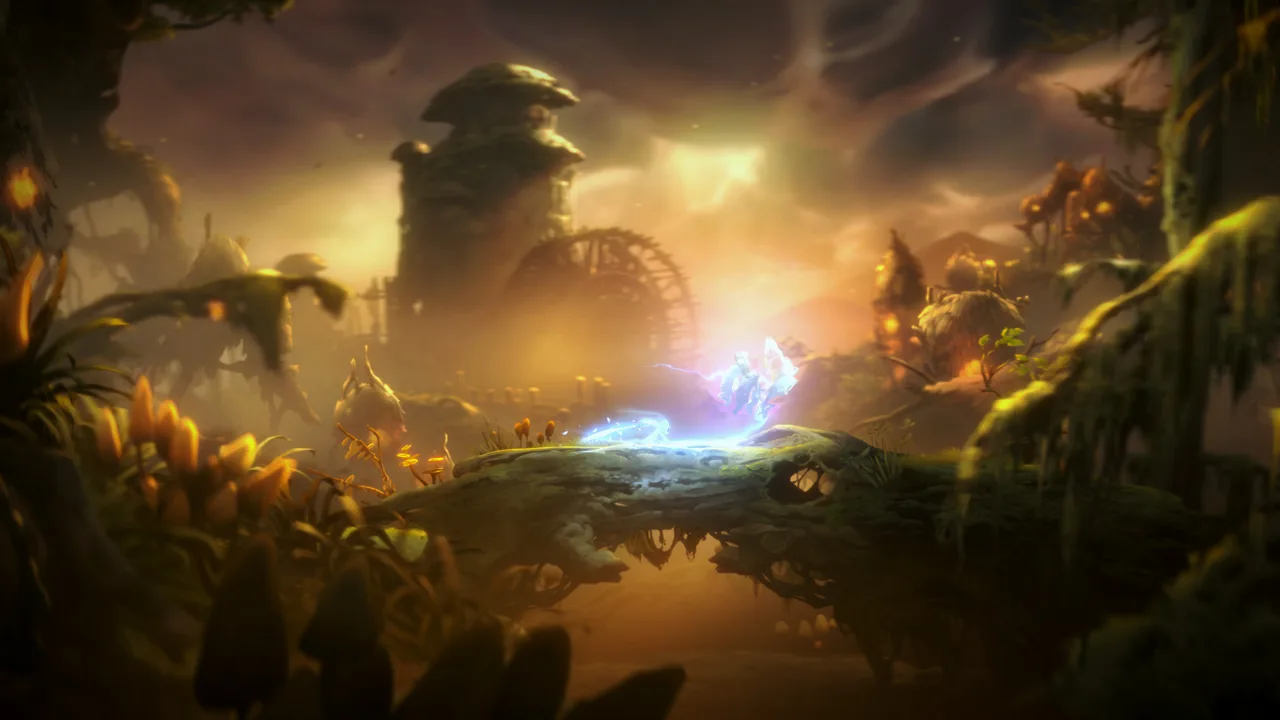 Image: Steam / Moon Studios GmbH
In the supplied player video, Shriek survives the immediate defeat and returns to her parents. The player experience also describes her physical deformities and reacts sympathetically to her final retreat.
Those observations support a tragic reading of the scene. They do not establish a hidden redemption, a later recovery, or a confirmed future beyond what is shown.
Defeat does not become reconciliation
Ori’s final scenes connect sacrifice with renewed life and continuing companionship. Shriek’s retreat can be read as an expression of isolation and a longing to return to her parents.
The player’s commentary emphasizes this contrast by seeing Shriek as a wounded creature seeking her parents, rather than treating her defeat as a purely celebratory moment.
That is a player experience, not evidence of a broader community consensus. Still, the scene itself invites the viewer to consider suffering alongside responsibility for harm.
Shriek’s tragedy does not undo the danger she poses. It makes the final confrontation harder to reduce to a simple division between a worthy hero and a disposable enemy.
This matters to Ori and the Will of the Wisps ending explained because the restoration does not give every character the same resolution. Ori saves life, Ku returns to loved ones, and Shriek retreats into a deeply lonely scene.
The supplied material does not conclusively establish Shriek’s eventual fate. Describing where she goes after the battle is more accurate than declaring that she is killed or eventually healed.
When revisiting this sequence, pay attention to the difference between what the camera shows and what you infer. Her return is observable; the meaning of that return involves interpretation.
What Do the Wisps and the Final Leaf Mean?
The “will of the wisps” concerns restoring the light. Ori fulfills that purpose by accepting the transformation needed for renewal.
The title therefore describes the larger aim of the journey. Gathering the wisps leads toward a restored forest, but completing that purpose carries a personal cost.
Ori’s quest to save Ku after the owl is injured leads to an act that sustains life beyond one relationship. The ending connects an intimate family story with the forest’s broader future.
The final leaf echoes the beginning
At the end, the new Spirit Tree sheds a glowing white leaf. The image recalls how Ori’s story began in Ori and the Blind Forest.
That parallel suggests a cycle: a spirit emerges from a tree, eventually becomes a tree, and may make new spirit life possible.
However, the image does not identify the leaf as Ori reborn. It also does not confirm another game or specify what a future protagonist would be.
| Detail | What the ending establishes | What remains interpretation |
|---|---|---|
| Ori becomes a tree | Ori’s transformed existence continues | Whether Ori experiences that existence like the earlier life |
| The light is restored | Ori’s sacrifice enables renewal | Whether a similar crisis must happen again |
| A glowing leaf falls | The closing image echoes Ori’s origin | Whether the leaf becomes a new spirit |
| The story returns to familiar imagery | Beginning and ending are visually connected | Whether that connection sets up a sequel |
The supplied player experience interprets the leaf as the beginning of another cycle. Game Rant likewise discusses the possibility of a new spirit, while treating future adventures as speculation.
For Ori and the Will of the Wisps ending explained, the strongest reading is renewal rather than guaranteed reincarnation. Ori’s story reaches its conclusion, and the final image suggests that life can continue beyond it.
To assess an ending theory, use three simple checks:
- Identify the event actually shown.
- Separate narration from a viewer’s interpretation.
- Check whether the theory requires information the ending never provides.
For example, “the leaf resembles Ori’s beginning” follows the visual parallel. “The leaf proves Ori returns as the next playable character” goes beyond the evidence.
The closing image leaves room for hope without reversing the sacrifice. Its emotional power comes from suggesting a future while allowing the life we followed to remain complete.
FAQ
Does Ori die at the end of Will of the Wisps?
Ori gives up the previous spirit form and becomes the new Spirit Tree. The ending preserves Ori’s identity through the narrator reveal, so transformation is a more complete description than death alone.
Does Ku survive Ori’s sacrifice?
Yes. Restoring the light heals Ku, who reunites with Naru and Gumo. Their continued life around Ori’s tree shows the lasting result of the sacrifice.
Who is the narrator in Ori and the Will of the Wisps ending explained?
The narrator is Ori as the new Spirit Tree, recounting the adventure from a future perspective. The reveal explains why the narration can look back on the journey as a completed story.
Does the final leaf confirm another Ori game?
No. The glowing leaf echoes Ori’s origin and suggests the possibility of new spirit life. The supplied sources treat another adventure as speculation; the ending does not confirm a sequel or identify the leaf as Ori reborn.
Continue with
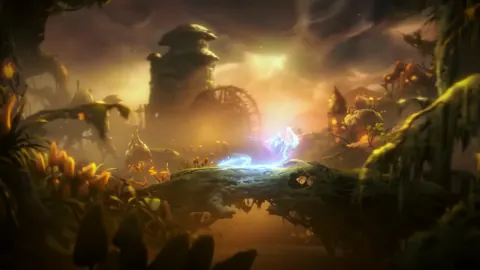 Ori and the Will of the Wisps how long to beat: Time GuidePlan your Ori adventure with 12-hour story, 15½-hour side-content, and 18½-hour completion estimates as planning benchmarks, plus platform comparisons.
More in Guide

Ori and the Will of the Wisps beginner guide: Upgrade Tips
Explore confidently with useful tips on maps, Spirit Light, shards, combat, and backtracking in this Ori and the Will of the Wisps beginner guide.
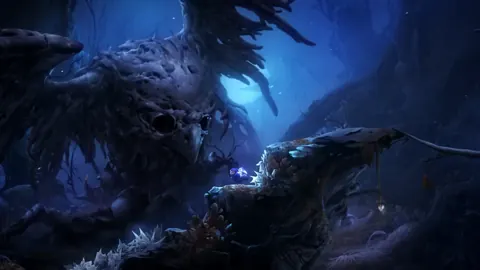
Ori and the Will of the Wisps difficulty: Easy, Normal, Hard
Compare Ori difficulty through documented player experiences, with practical combat tips and a clear look at Normal, Hard, and challenge modifiers.
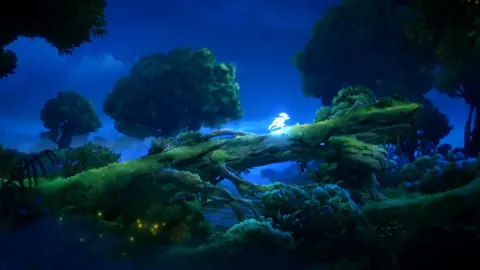
Ori and the Will of the Wisps how to save: Saves and Backups
Learn how autosaves and manual saves at Spirit Wells work, reload backup saves, and preserve a separate save slot before experimenting with upgrades.
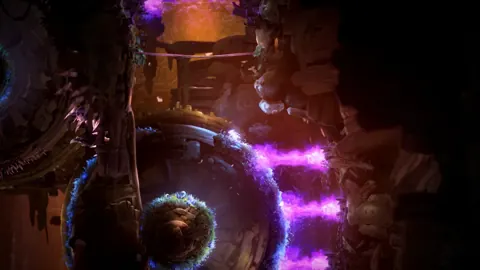
Ori and the Will of the Wisps multiplayer: Spirit Trials
Learn what Ori and the Will of the Wisps multiplayer offers, why there’s no full co-op, and how Spirit Trials let you compete over completion times.
Join the community
Official channels for news, updates and player help: